Canada's first home match of the World Cup begins with difficult news.
Alphonso Davies has been ruled out through injury.
With the team's brightest star missing, how is Canada going to keep it up?
Perhaps this is exactly the kind of moment Jonathan David was made for.
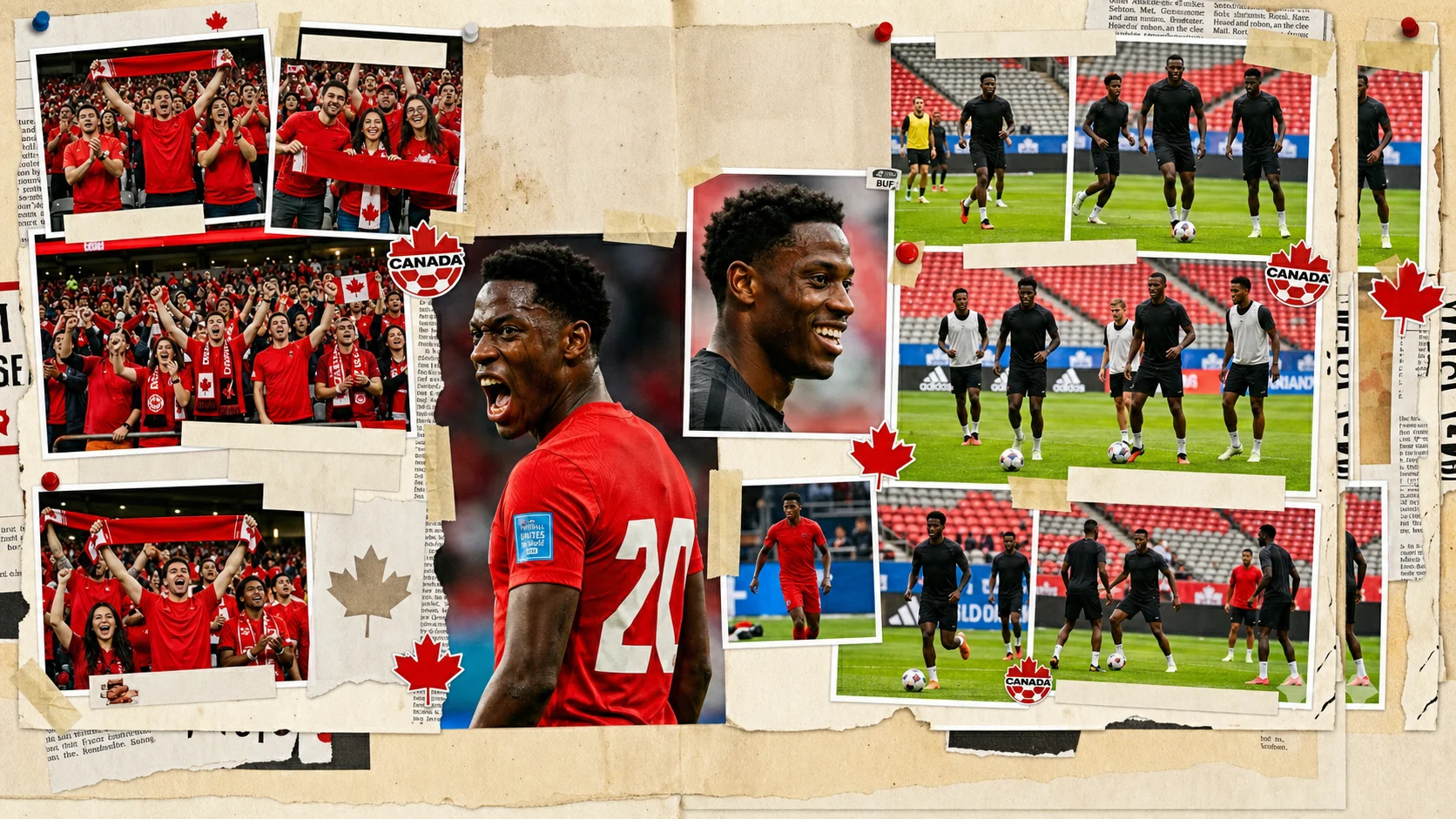
Davies' absence is undoubtedly a major loss.
For years, he has represented the rise of Canadian football.
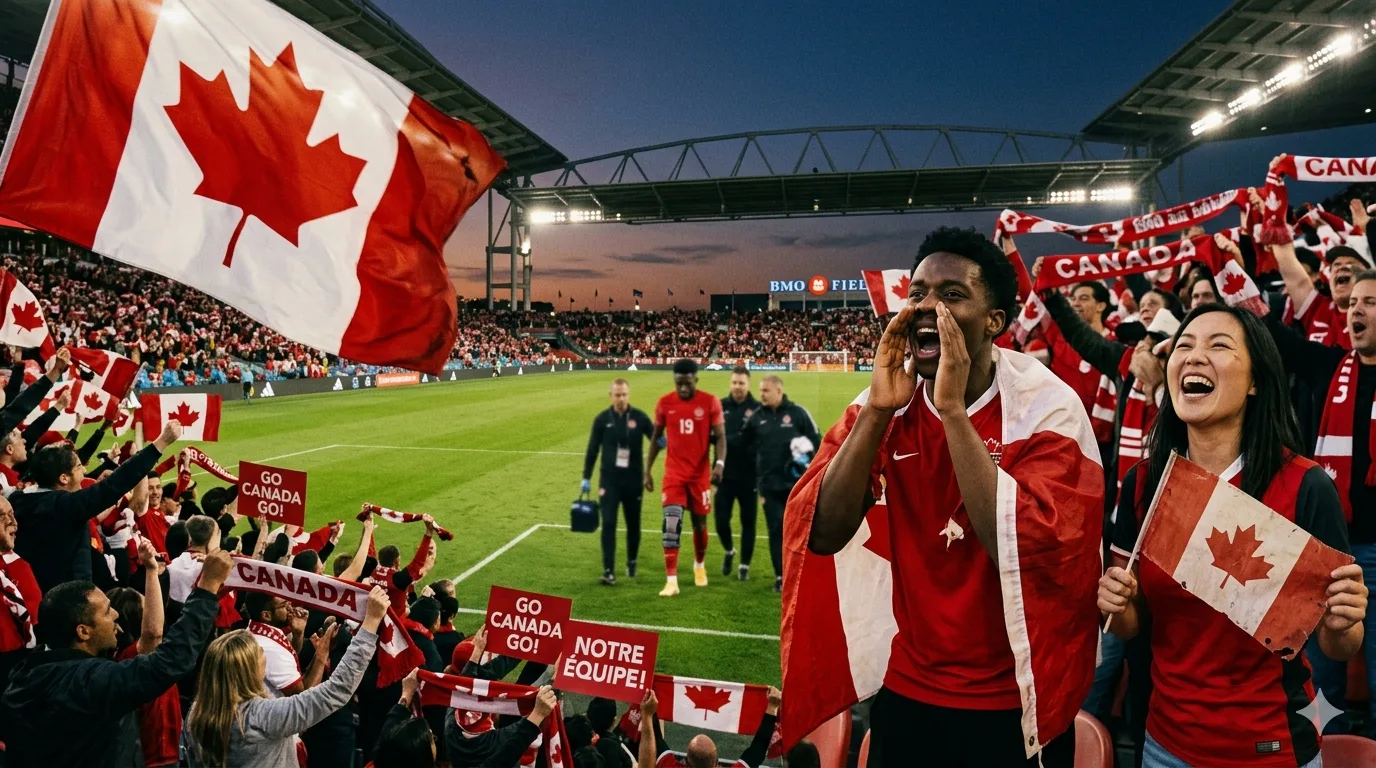
Yet Canada's journey has always been powered by an entire team.
For decades, they remained absent from the World Cup. They were often treated as little more than a supporting character in North American football.
Their path to this moment has been shaped by adversity, and by their ability to overcome it.
In many ways, this Canadian team reflects the country itself.
Its players come from different cultures, different families, and different parts of the world, all brought together beneath the same crest.
Some were raised in African immigrant families.
Some have Caribbean roots.
Some grew up in Europe, while others developed their game in Canada.
Yet once they join the national team, they share one same identity:
Canadian.
Jonathan David's own life mirrors the story of Canadian football.
He was born in Brooklyn, New York, to Haitian parents. As a child, he moved with his family to Ottawa.
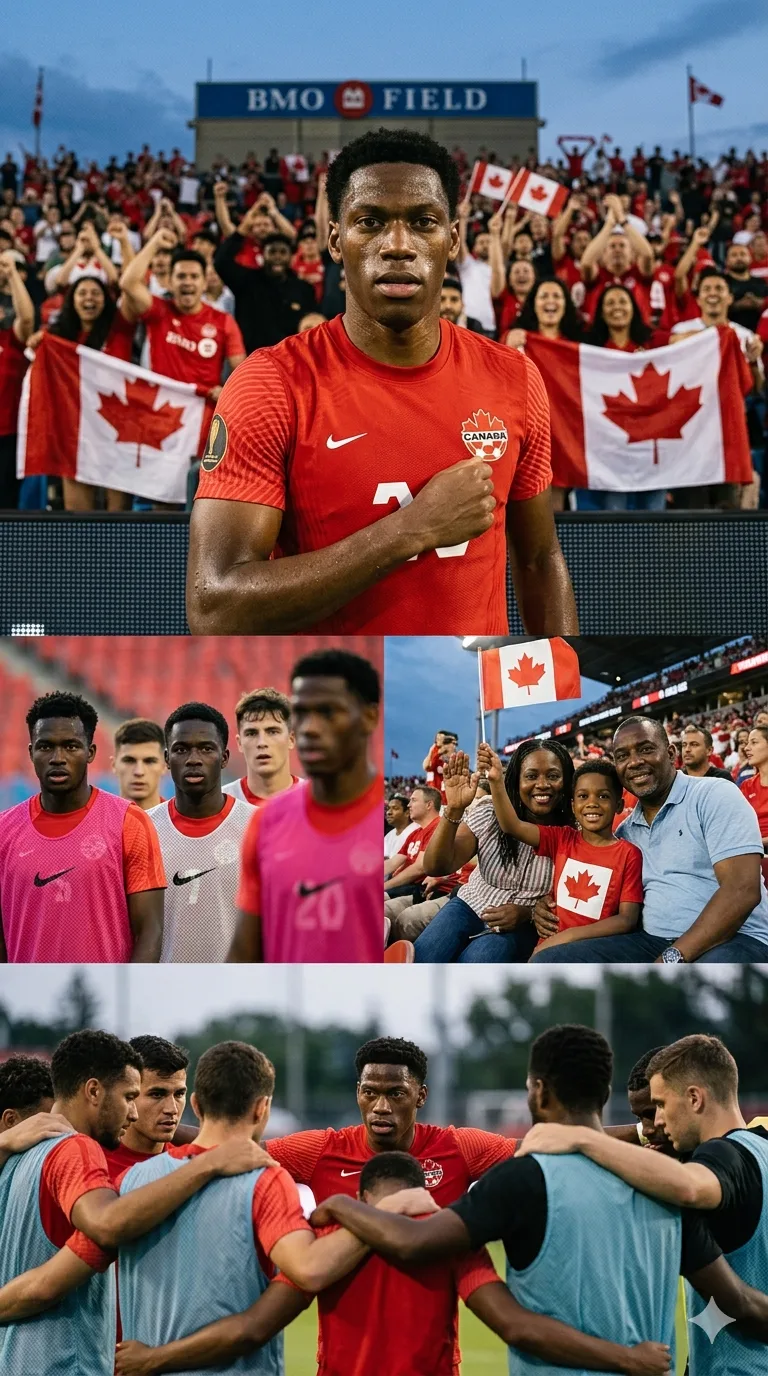
His path began far from the spotlight of an elite academy. He grew up like many children in immigrant families, learning a new language, adapting to a new culture, and finding his place in an unfamiliar home.
Football became the language he understood best.
Later, he chose a quieter route into European football.
He began in Belgium, in a league that rarely attracts the world's attention, and worked his way step by step onto Europe's biggest stages.
Every stage had to be earned.
David has never needed theatrical celebrations or extravagant gestures to command attention.
He is quiet, direct, and efficient. His character resembles the rise of Canadian football itself: understated, disciplined, and always moving forward.
That spirit of unity and inclusion remains one of this team's greatest strengths.
Every player is valued. Every background belongs.
Players shaped by different cultures support one another, trust one another, and transform those differences into collective strength.
Davies may be absent. Canada has lost a star, while its team remains intact.
David's story also belongs to countless immigrant families.
His parents left Haiti in search of greater opportunities for their children.
When David was nineteen, his mother died of cancer. It became one of the most painful moments of his life.
Today, their son wears the Canadian shirt on the World Cup stage. Former Canada head coach John Herdman called him "The Iceman" because, even in the face of profound adversity, David remained composed, grounded, and focused.
When others panic, he concentrates. When hardship arrives, he keeps moving.
That composure and determination were built upon the strength his family gave him throughout his life.
For many immigrant families, this story reaches far beyond football. It is the story of one generation's sacrifices finally bearing fruit in the next.
Canada's greatest promise lies in its ability to give people from every corner of the world a sense of belonging, to offer families of every background a place they can call home.
Davies' absence has placed Canada in a difficult position.
Yet Canadian football has spent its entire journey searching for answers in moments of adversity.
This team believes in unity, inclusion, and the strength people create in one another.
Jonathan David embodies those same values.
A child of an immigrant family.
A boy raised in Ottawa.
A forward who became one of Canada's most dependable players.
Tonight, Canada needs someone to step forward.
And the man they call "The Iceman" may be exactly the one to lead them, with composure, unity, and unwavering resolve.